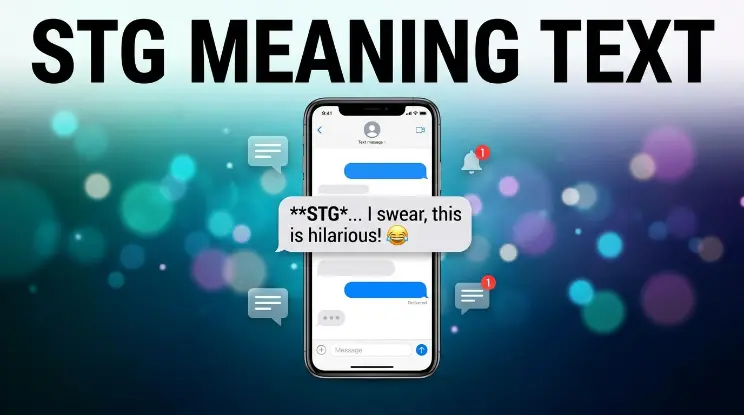
You’re texting a friend about something wild that just happened, and right after the story you add “stg.” Or maybe someone sends you a message that says “stg I’m not lying,” and you pause for a second before realizing you’re not totally sure what those three letters mean.
People search for “stg meaning text” because this abbreviation shows up a lot in casual chats, comment sections, and captions, especially when someone wants to emphasize that they’re being completely honest. It’s short, expressive, and easy to miss if you’re not already familiar with texting slang.
In this guide, you’ll learn exactly what STG stands for, how it’s used across different platforms, real examples pulled from everyday conversations, where the term came from, and the small mistakes people make when using it. By the end, you’ll be able to read it instantly and use it naturally in your own texts.
Quick Answer
STG stands for “swear to God.” It’s internet slang used to emphasize honesty, seriousness, or strong emotion in a message. People use it to show they’re telling the truth or reacting intensely to something, whether that’s frustration, excitement, or disbelief.
What Does “STG” Mean?
STG is short for “swear to God,” a phrase people have used for generations to emphasize that they’re being completely honest. In texting, it works the same way, just condensed into three letters for speed.
Most of the time, STG shows up right before or after a statement someone wants the listener to take seriously. It’s a way of saying “I mean this” or “I promise I’m not exaggerating,” almost like underlining a sentence for extra emphasis.
While the phrase technically references swearing an oath, its everyday use in texting isn’t usually religious in intent. Instead, it works as a quick emotional intensifier, adding weight to a statement whether someone is being sincere, frustrated, surprised, or even joking around.
Because it’s such a flexible intensifier, STG fits into a wide range of emotional tones. The core meaning stays the same, but the feeling behind it can shift depending on what the rest of the message says.
Meaning in Different Contexts
STG’s core meaning stays consistent everywhere, but the emotional tone behind it can shift depending on the platform and situation.
Everyday Conversation
In casual texting between friends, STG usually adds emphasis to a statement, helping the listener understand that the sender is being genuinely serious or honest.
Text Messages
In regular SMS chats, STG often appears at the start or end of a sentence, reinforcing that whatever’s being said is true or deeply felt.
Social Media
On Twitter/X and Facebook, STG frequently shows up in posts or comments reacting strongly to something, whether that’s excitement, frustration, or disbelief.
In WhatsApp chats, STG often adds sincerity to personal conversations, especially when reassuring someone or emphasizing an important point.
Snapchat
On Snapchat, STG commonly appears in captions or replies to add emotional weight to a quick reaction, especially for something surprising or funny.
In Instagram comments and DMs, STG is often used to react strongly to a post, emphasizing genuine excitement, agreement, or disbelief.
TikTok
TikTok comment sections use STG a lot to back up an opinion or react to something relatable, adding a layer of sincerity to a quick comment.
Gaming
In gaming chats, STG sometimes shows up when reacting to an intense or unbelievable moment during a match, emphasizing genuine shock or frustration.
Professional Communication
STG doesn’t belong in professional or formal writing. Its casual tone and origin as spoken slang make it inappropriate for workplace emails or business messages.
Internet Slang
Within internet slang, STG sits alongside similar intensifiers like “ong” (on God) and “fr” (for real), all used to emphasize honesty or strong emotion in casual conversation.
Examples of “STG”
Here are five real-life examples showing how STG actually gets used.
1. Sentence: “STG I didn’t touch your food.” Meaning: Strongly insisting on honesty. Situation: Defending yourself during a lighthearted disagreement.
2. Sentence: “That movie was so good, stg.” Meaning: Emphasizing genuine excitement or agreement. Situation: Recommending something to a friend.
3. Sentence: “Stg if this bus is late again I’m walking.” Meaning: Expressing frustration with emphasis. Situation: Venting about a recurring annoyance.
4. Sentence: “I finished the whole series in one day, stg.” Meaning: Emphasizing that a surprising claim is true. Situation: Sharing something impressive or unexpected.
5. Sentence: “Stg I almost cried during that scene.” Meaning: Adding sincerity to an emotional reaction. Situation: Reacting to a movie or show with a friend.
When Do People Use “STG”?
People typically use STG in casual, expressive conversations, mostly in texting, social media comments, and messaging apps. It’s especially popular among teens and young adults who use quick intensifiers to add emotional weight to their messages.
People reach for STG when they want to:
- Emphasize that they’re telling the truth
- Add intensity to an emotional reaction
- Convince someone of something surprising or unbelievable
- React strongly to frustration, excitement, or disbelief
- Keep a message casual while still sounding sincere
STG fits naturally into relaxed, informal settings among friends or on social media. It’s not appropriate for professional or formal writing, since the phrase behind it, “swear to God,” carries a casual, conversational tone that doesn’t fit polished business communication.
Different Meanings of “STG”
Unlike some slang terms, STG doesn’t have multiple unrelated meanings in everyday texting. Its meaning stays consistent, though the emotional tone behind it can vary depending on the situation.
Meaning 1: Swear To God (Sincere Emphasis)
- Definition: Used to genuinely emphasize honesty or truthfulness.
- Context: Reassuring someone or defending a claim.
- Example: “Stg I sent the email already, check your inbox.”
Meaning 2: Swear To God (Frustration or Intensity)
- Definition: Used to add emotional weight to frustration or annoyance.
- Context: Venting about something irritating.
- Example: “Stg my wifi cuts out every single day.”
Meaning 3: Swear To God (Excitement or Disbelief)
- Definition: Used to emphasize surprise, excitement, or something hard to believe.
- Context: Reacting to unexpected or impressive news.
- Example: “Stg I can’t believe we won.”
While the underlying phrase never changes, recognizing these tonal differences helps you understand whether someone is being sincere, venting, or simply excited.
Origin of “STG”
The phrase “swear to God” has been used in everyday spoken English for a very long time, well before texting existed, as a way of emphasizing honesty or sincerity. As texting and instant messaging became popular, people naturally began shortening common phrases to save time, and “swear to God” became STG.
Its popularity grew alongside the rise of social media platforms like Instagram, TikTok, and Snapchat, where quick, expressive slang thrives in captions, comments, and fast-paced conversations. As more people adopted texting shorthand in daily life, STG became one of many go-to intensifiers used to add emotional punch to a message.
There’s no single confirmed origin point tied to a specific platform or event. Like most organic slang, STG developed gradually through everyday use, spreading naturally as digital communication became a bigger part of daily conversation.
Similar Words and Alternatives
If STG comes up often in your conversations, these related terms carry a similar meaning.
- ONG (On God): Nearly identical in meaning and tone, used interchangeably with STG in many conversations.
- FR (For Real): A slightly softer intensifier, still used to emphasize honesty or agreement.
- ISTG (I Swear To God): A slightly longer version of STG, adding “I” for extra emphasis.
- No cap: Means “no lie,” used similarly to express sincerity or truthfulness.
- I promise: A more formal, non-slang alternative that conveys the same sincerity.
While these alternatives express similar sincerity, STG remains one of the most widely recognized intensifiers in casual texting, largely because the phrase behind it, “swear to God,” has always carried strong emotional weight in everyday speech.
Common Mistakes
Mistake 1: Using STG in professional writing. STG is casual slang rooted in spoken language, so it doesn’t belong in workplace emails or formal messages. Stick to phrases like “I promise” or “honestly” in those settings.
Mistake 2: Assuming it’s always deeply serious. While STG can emphasize genuine sincerity, it’s often used more casually to add flavor to excitement, frustration, or a relatable complaint rather than a truly weighty statement.
Mistake 3: Overusing it until it loses impact. Adding STG to every single sentence can water down its effect. Saving it for moments that genuinely call for emphasis keeps it feeling authentic.
Mistake 4: Confusing it with similar-looking abbreviations. Terms like “SMH” (shaking my head) look similar in casual texting but mean something completely different. Double-checking context avoids confusion.
Mistake 5: Missing religious sensitivity in some contexts. Because the phrase literally references swearing to God, it’s worth being mindful of the audience, especially in conversations where religious language might not land well.
Frequently Asked Questions
What does STG mean in texting?
STG stands for “swear to God.” It’s used to emphasize honesty, seriousness, or strong emotion in a message, whether that’s sincerity, frustration, or excitement.
Is STG rude?
No, STG isn’t inherently rude. It’s casual, expressive slang, though tone and context can shift how intense or serious it feels.
Is STG always literal?
Not usually. While it technically references swearing an oath, most everyday use is more about emphasis than a literal religious statement.
Can STG be used in professional messages?
No, STG is casual slang and should be avoided in professional or formal writing. Phrases like “I promise” or “honestly” work better in those settings.
Is STG the same as ISTG?
Yes, ISTG simply adds “I” to the phrase, standing for “I swear to God.” Both are used interchangeably and carry the same meaning.
Who uses STG the most?
STG is especially popular among teens and young adults on platforms like TikTok, Instagram, and Snapchat, though it’s widely recognized across a broad range of ages online.
How should I respond if someone texts me “STG”?
If they’re emphasizing honesty, a simple acknowledgment like “okay, I believe you” works well. If they’re expressing excitement or frustration, matching their energy is usually the natural response.
Conclusion
STG stands for “swear to God” and works as a quick, expressive way to emphasize honesty, seriousness, or strong emotion in a message. While the phrase technically references an oath, everyday use leans more toward adding emotional weight than making a literal statement.
You’ll spot STG most often in texts, social media comments, and captions, especially among younger users reacting to something surprising, frustrating, or exciting. Its meaning stays consistent everywhere, but the tone behind it can shift depending on the situation.

Hi, I’m William Brooks, a writer at Meanhubz.com. I’m passionate about making English words, phrases, idioms, and expressions easy to understand. I create clear, accurate, and engaging content with simple examples to help students, writers, and English learners improve their vocabulary and communicate with greater confidence in everyday life.