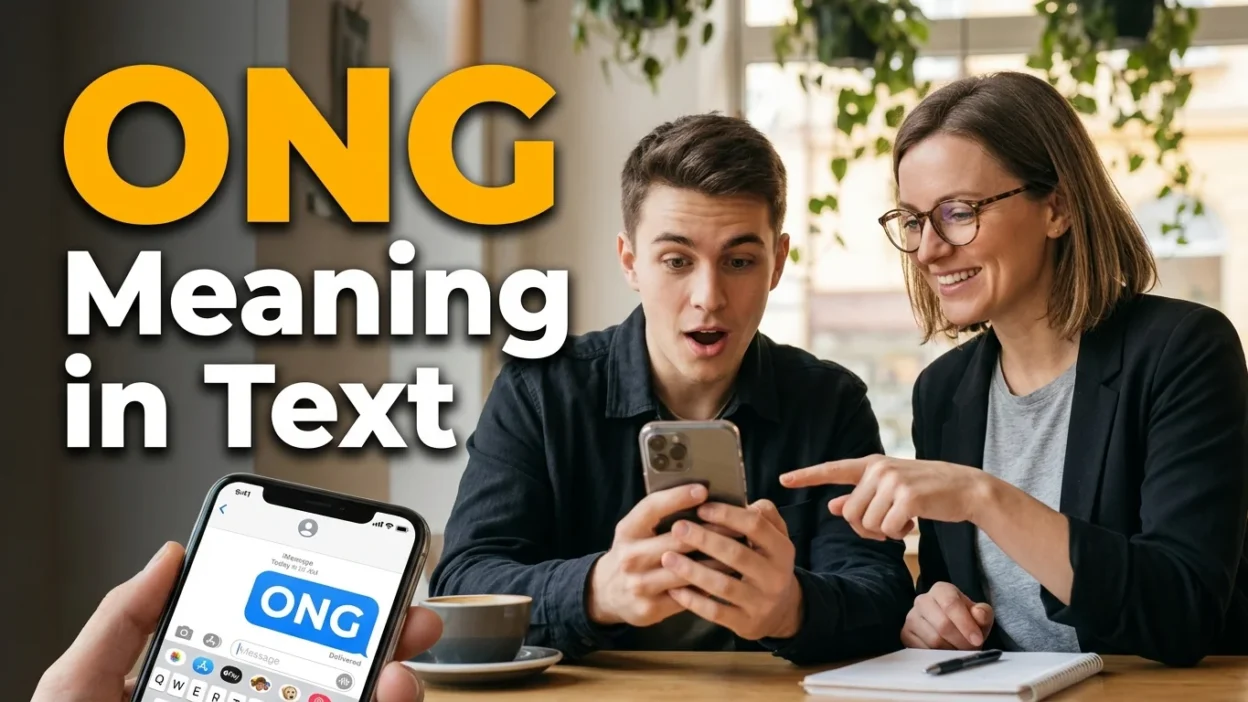
If you’ve seen “ong” in a text and assumed it was just a typo for “omg,” you’re not the only one. It looks similar at first glance, but it’s actually its own abbreviation with a slightly different meaning and feel.
People search for “ong meaning text” because it’s grown especially popular in recent years, particularly through social media and casual online slang. It’s often used to add emphasis or sincerity to a statement, and knowing what it means helps you catch that extra layer of honesty behind a message. Once you learn it, you’ll start noticing it everywhere.
You’ll come across “ong” in text messages, TikTok comments, Instagram captions, and casual online conversations, especially among younger users. In this article, you’ll learn exactly what “ong” means, how it’s used across different platforms, real examples, its origin, similar expressions, and common mistakes people make with it.
Quick Answer
“ONG” stands for “on god.” It’s used to emphasize that something is completely true or sincere, similar to saying “I swear” or “for real.”
What Does “ONG” Mean?
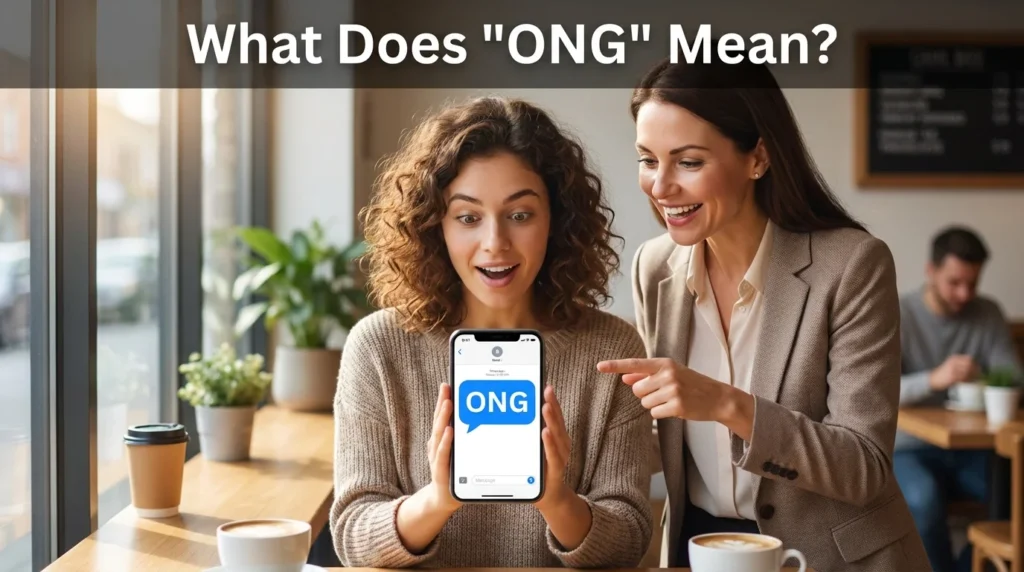
“ONG” is short for “on god.” It’s used to add strong emphasis to a statement, showing that the person means what they’re saying with complete sincerity.
In plain English, saying “ong” is like saying: “I swear this is true” or “I’m not exaggerating.” It’s a way of backing up a statement with extra conviction, almost like putting your word on the line.
The literal meaning comes from the phrase “on God,” a common way people express sincerity by swearing on something meaningful. Shortened to “ong,” it keeps that same emphasis in a quicker, more casual form.
The most common meaning across texting and social media is emphasizing honesty or sincerity, often used right before or after a strong statement to reinforce that it’s genuinely true.
Meaning in Different Contexts
The core meaning of “ong” stays fairly consistent, but the tone can shift slightly depending on the platform and situation.
Everyday Conversation
In casual spoken conversation, people often say “on God” the same way, especially when trying to convince someone that what they’re saying is completely true.
Text Messages
In texting, “ong” is used to reinforce a statement, often added at the beginning or end of a sentence for extra emphasis, like confirming plans or backing up a strong opinion.
Social Media
On social media, “ong” frequently appears in comments and captions, especially reacting to something relatable, shocking, or emotionally resonant, adding a layer of genuine agreement.
TikTok
“ONG” is especially common on TikTok, often used in comments under videos that feel especially relatable or true, almost like nodding along in strong agreement.
On Instagram, “ong” shows up in comments and captions, often paired with strong opinions or emotional reactions to reinforce sincerity.
Internet Slang
As part of internet slang, “ong” belongs to a group of emphasis abbreviations, similar to “fr” (for real) and “no cap,” all used to strengthen the truthfulness of a statement.
Examples of “ONG”
Here are real-life examples showing how “ong” is used in everyday texting and online chats.
1. Sentence: “This is the best meal I’ve had all year, ong.” Meaning: Emphasizing genuine enthusiasm about food. Situation: Texting a friend after trying a new restaurant.
2. Sentence: “ong I studied all night and still failed.” Meaning: Sincerely emphasizing frustration or disbelief. Situation: Venting about a difficult exam.
3. Sentence: “That movie made me cry, ong.” Meaning: Reinforcing an emotional reaction as completely genuine. Situation: Reacting to a movie in a group chat.
4. Sentence: “ong she’s the sweetest person I know.” Meaning: Strongly emphasizing a compliment. Situation: Talking about a friend or family member.
5. Sentence: “I’m never doing that again, ong.” Meaning: Emphasizing a strong, sincere decision. Situation: Reacting after an exhausting or overwhelming experience.
When Do People Use “ONG”?
People use “ong” whenever they want to emphasize that a statement is completely true or sincere.
Common situations include reacting to something surprising, backing up an opinion, expressing genuine emotion, or confirming plans with extra conviction.
Who uses it: It’s especially popular among teens and young adults, largely due to its widespread use across TikTok, Instagram, and casual texting culture.
Why people use it: It adds emphasis and sincerity to a message quickly, without needing to explain further or repeat the point.
Appropriate situations include casual texts, social media comments, and informal conversations. Inappropriate situations include formal writing, professional communication, or academic work, where it would feel out of place.
Origin of “ONG”
“ONG” grew out of the phrase “on God,” a common expression used in casual spoken English, especially within African American Vernacular English (AAVE), to emphasize sincerity or truthfulness. Over time, this phrase became widely adopted across broader youth culture and internet slang.
As texting and social media prioritized short, fast expressions, shortening “on God” to “ong” fit naturally into the same pattern as other emphasis abbreviations like “fr” (for real) and “no cap.” Its popularity grew significantly through platforms like TikTok, where trending audio and captions helped spread it to a much wider audience.
There’s no single confirmed inventor of “ong.” Like most internet slang, it developed gradually through cultural and online use rather than being introduced by one specific person or platform.
Similar Words and Alternatives
There are several other expressions similar to “ong” that convey the same sense of sincerity.
- “Fr” – Short for “for real,” used the same way to emphasize truth.
- “No cap” – Slang meaning “no lie,” emphasizing honesty.
- “I swear” – A more traditional way to emphasize sincerity.
- “Deadass” – Slang meaning completely serious or genuine.
- “For real for real” – A doubled-up version used for extra emphasis.
The main difference between these comes down to tone and popularity across different platforms, though they all serve the same basic purpose of reinforcing honesty.
Common Mistakes
One common mistake is confusing “ong” with “omg.” While they look somewhat similar, “ong” means “on God” and emphasizes sincerity, while “omg” means “oh my god” and typically expresses surprise or shock.
Another mistake is using “ong” in formal writing, where it can come across as unprofessional or too casual for the setting.
Correct usage: “ong that was the funniest thing I’ve seen all week” in a casual text. Incorrect usage: Using “ong” in a formal email or academic paper.
Tip to avoid confusion: If the sentence is emphasizing that something is true or sincere, it likely means “on God.” If it’s reacting with surprise or shock, it’s more likely “omg.”
Frequently Asked Questions
What does “ong” mean in a text message?
“ONG” stands for “on God.” It’s used to emphasize that something is completely true or sincere.
Is “ong” the same as “omg”?
No, they’re different. “ONG” means “on God” and emphasizes sincerity, while “omg” means “oh my god” and typically expresses surprise.
Where did “ong” come from?
It comes from the phrase “on God,” commonly used in casual spoken English to emphasize truthfulness, and it spread widely through social media, especially TikTok.
Is “ong” the same as “fr” or “no cap”?
They’re very similar and often used interchangeably, all emphasizing that a statement is genuinely true.
Can I use “ong” in professional messages?
No, it’s best avoided in professional or formal communication, since it’s casual internet slang.
Who uses “ong” the most?
It’s especially popular among teens and young adults, largely due to its widespread use on TikTok and other social media platforms.
How do I reply to someone using “ong”?
You can simply acknowledge their sincerity, agree with their statement, or add your own reaction to keep the conversation going.
Conclusion
“ONG” is a casual texting abbreviation that means “on God,” used to emphasize that something is completely true or sincere. It’s especially popular in text messages, TikTok comments, and Instagram captions, largely thanks to its rise through social media and youth culture.
While it fits naturally into casual, expressive conversations, it’s best avoided in formal writing or professional communication. Understanding “ong” and how it differs from similar terms like “omg” helps you read messages accurately and use it naturally in your own casual conversations. As always, paying attention to context makes texting slang much easier to understand.

Hi, I’m Ethan Carter, a writer at Meanhubz.com. I enjoy explaining words, phrases, slang, and everyday expressions in a simple and engaging way. My goal is to help readers understand language clearly, improve their English, and communicate with confidence through practical examples and easy-to-follow explanations.