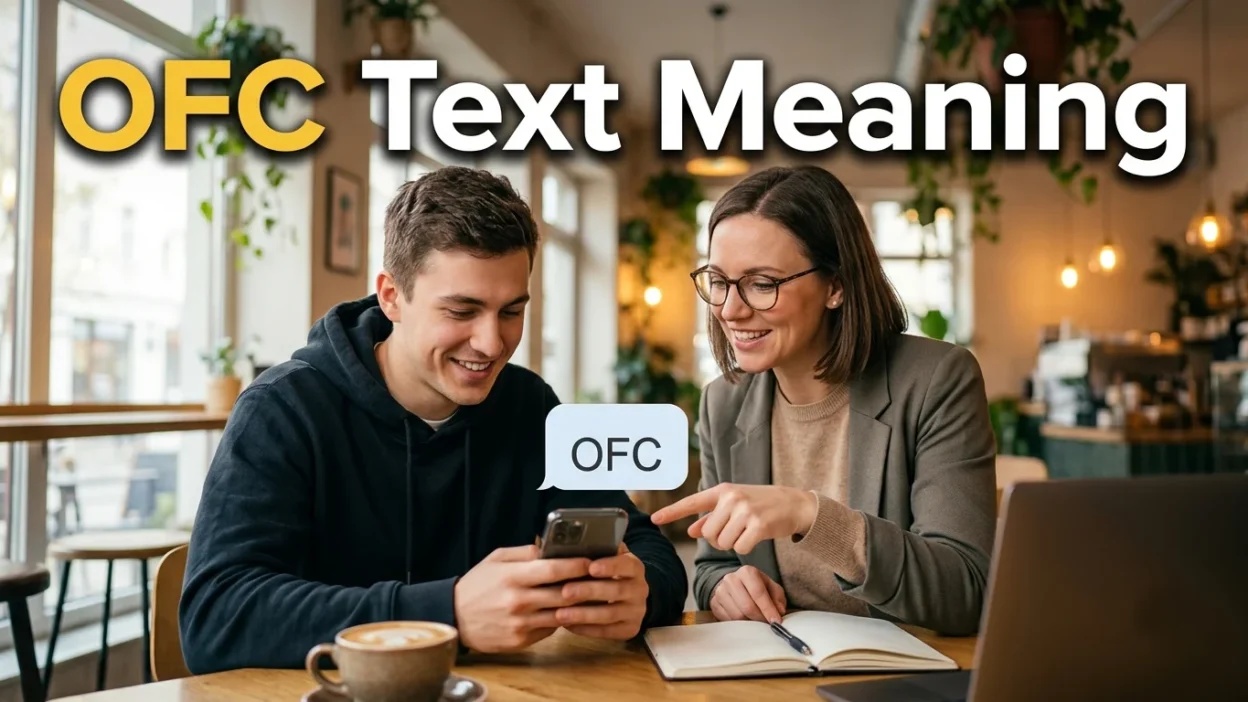
Texting abbreviations help people communicate quickly, especially when chatting with friends or responding to messages on social media. One abbreviation you will often see is OFC, which stands for “Of Course.” People use it to express agreement, show that something is obvious, or reassure someone that the answer is yes.
For example, if your friend asks, “Can you help me with my homework?” you might reply, “OFC!” to let them know you are happy to help. Similarly, someone might text, “OFC I remember you,” to emphasize that remembering the person is natural or expected.
OFC is common in casual conversations on Snapchat, Instagram, TikTok, WhatsApp, and other messaging platforms. Depending on the situation, it can sound friendly, enthusiastic, reassuring, or occasionally sarcastic. For instance, replying “OFC 😂” may show playful agreement, while a simple “ofc” can be a quick, relaxed response. Although the abbreviation is widely understood in informal texting, writing out “of course” is generally more suitable for formal emails, professional messages, and academic work.
Quick Answer
“OFC” stands for “of course.” It’s used to confirm something enthusiastically or to show that an answer is obvious, often used as a quick, casual way to say “yes, definitely.”
What Does “OFC” Mean?
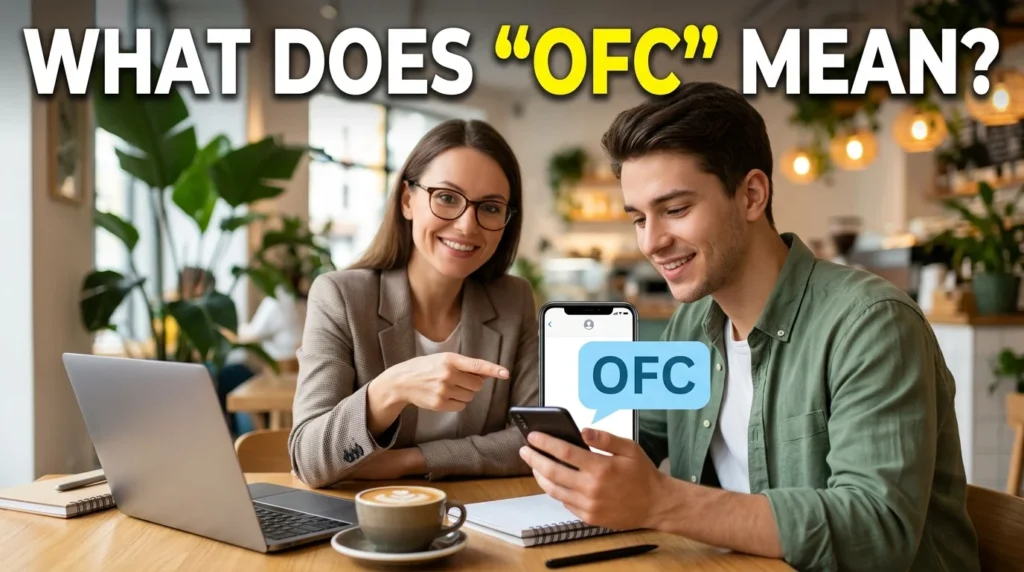
“OFC” is short for “of course.” It’s used to agree with something or confirm that the answer to a question is obvious.
In plain English, saying “ofc” is like saying: “Yes, definitely” or “That’s a given.” It adds a bit of confidence to a simple yes, showing that there was never really any doubt.
The literal meaning is straightforward: “ofc” just removes the vowels and shortens “of course” into a faster, easier abbreviation to type.
The most common meaning across texting and social media is confident agreement or confirmation, often used to answer a question that clearly has an obvious “yes.”
Meaning in Different Contexts
The core meaning of “ofc” stays consistent, but the tone can shift slightly depending on where and how it’s used.
Everyday Conversation
In spoken conversation, people say “of course” all the time to confirm something confidently, whether answering a question or agreeing to help someone out.
Text Messages
In texting, “ofc” is used to quickly confirm plans, agree with someone, or answer a question where the answer is obviously yes.
Social Media
On social media comments, “ofc” often appears as a reply confirming agreement with a post or comment, showing enthusiastic support.
On WhatsApp, “ofc” is used the same casual way as regular texting, especially in quick replies confirming plans or agreeing to something a friend suggested.
Snapchat
On Snapchat, “ofc” fits naturally into fast chat replies, often used to confirm plans or agree with something someone just said.
On Instagram, “ofc” frequently shows up in comments and DMs, especially when confirming attendance to something or agreeing with a caption or opinion.
Professional Communication
“OFC” can occasionally appear in casual workplace chats, like Slack messages between coworkers, though it’s generally too informal for official emails or documents.
Internet Slang
As part of internet slang, “ofc” belongs to a group of quick confirmation abbreviations, similar to “yw” (you’re welcome) and “np” (no problem), all built for fast, casual replies.
Examples of “OFC”
Here are real-life examples showing how “ofc” is used in everyday texting and online chats.
1. Sentence: “Are you coming to the party tonight?” Reply: “ofc, wouldn’t miss it.” Meaning: Enthusiastic confirmation. Situation: Friends confirming plans over text.
2. Sentence: “Can you help me move this weekend?” Reply: “ofc, just let me know the time.” Meaning: Willing and confident agreement to help. Situation: Casual favor between friends.
3. Sentence: “Do you still want to grab lunch later?” Reply: “ofc! I’m starving already.” Meaning: Obvious, enthusiastic yes. Situation: Texting about plans.
4. Sentence: “Did you remember my birthday?” Reply: “ofc, how could I forget?” Meaning: Confirming something as an obvious fact. Situation: Playful conversation between friends.
5. Sentence: “Are you free to talk right now?” Reply: “ofc, what’s up?” Meaning: Quick, casual confirmation of availability. Situation: Checking in before a phone call or deeper conversation.
When Do People Use “OFC”?
People use “ofc” whenever they want to confirm something quickly and confidently.
Common situations include confirming plans, agreeing to help someone, answering an obvious question, or showing enthusiastic support for something.
Who uses it: It’s popular among people of many ages in casual texting, though especially common among teens and young adults in fast-paced conversations.
Why people use it: It’s quick to type, adds a confident tone to a simple “yes,” and keeps casual conversations flowing naturally.
Appropriate situations include casual texts, social media comments, and informal chats. Inappropriate situations include formal emails, official documents, or professional communication where “of course” should be spelled out fully.
Origin of “OFC”
“OFC” developed as part of the broader trend of shortening common phrases for faster typing, similar to abbreviations like “np” (no problem) and “yw” (you’re welcome). As texting became a dominant form of communication in the early 2000s, frequently used phrases naturally got compressed for speed.
The phrase “of course” itself has been used in English for centuries as a way to confirm something confidently. Shortening it to “ofc” was simply the next step as digital communication favored quick, casual replies over full sentences.
There’s no single confirmed inventor of “ofc.” Like most texting slang, it developed gradually through everyday use across texting and early internet chat culture rather than being introduced by one specific person or platform.
Similar Words and Alternatives
There are several other expressions similar to “ofc” that convey confident agreement.
- “Duh” – A more blunt, sometimes teasing way to confirm something obvious.
- “For sure” – A casual way to confidently agree with something.
- “Definitely” – A slightly more formal way to confirm agreement.
- “100%” – Used to show full agreement or confidence.
- “Obviously” – Similar to “ofc,” emphasizing that the answer was never in doubt.
The main difference between these is tone. “Duh” can sound a bit more sarcastic or teasing, while “ofc” and “definitely” feel more warm and straightforward.
Common Mistakes
One common mistake is using “ofc” in formal writing, such as professional emails or official documents, where spelling out “of course” is more appropriate.
Another mistake is misreading tone. Since text lacks vocal inflection, “ofc” can sometimes come across as sarcastic or dismissive when it was meant warmly, especially if used without any additional context.
Correct usage: “ofc, I’ll be there!” in a casual, friendly text. Incorrect usage: Using “ofc” in a formal email responding to a client or manager.
Tip to avoid confusion: Pair “ofc” with a friendly follow-up, like an emoji or extra sentence, if you want to make sure the tone reads as warm rather than short or dismissive.
Frequently Asked Questions
What does “ofc” mean in a text message?
“OFC” stands for “of course.” It’s used to confidently confirm or agree with something.
Is “ofc” the same as saying “yes”?
It’s similar, but “ofc” adds extra confidence, showing that the answer was obvious or never really in question.
Can “ofc” sound sarcastic?
It can, depending on tone and context. Without extra warmth, like an emoji, it might come across as short or dismissive rather than friendly.
Can I use “ofc” in professional messages?
It’s best to avoid “ofc” in formal or professional communication, since “of course” should typically be spelled out fully in that context.
Where did “ofc” come from?
It developed from the phrase “of course” through texting culture, following the same pattern as other shortened confirmations like “np” and “yw.”
Who uses “ofc” the most?
It’s popular across many age groups, though especially common among teens and young adults in fast, casual texting.
What’s a good way to reply to “ofc”?
You can simply continue the conversation naturally, since “ofc” usually confirms something and doesn’t need much of a response beyond moving forward with plans.
Conclusion
“OFC” is a simple, widely used texting abbreviation that means “of course.” It’s mostly used to confidently confirm plans, agree with someone, or answer a question that clearly has an obvious yes. You’ll spot it constantly in text messages, WhatsApp chats, Instagram comments, and Snapchat.
While it fits naturally into casual conversations, it’s best avoided in formal writing or professional communication, where spelling out “of course” is more appropriate. Understanding “ofc” and its tone helps you use it naturally and read it correctly when others send it to you. As always, paying attention to context makes texting slang much easier to interpret.

Hi, I’m William Brooks, a writer at Meanhubz.com. I’m passionate about making English words, phrases, idioms, and expressions easy to understand. I create clear, accurate, and engaging content with simple examples to help students, writers, and English learners improve their vocabulary and communicate with greater confidence in everyday life.